Accepting new athletes

Hank McGreen, Run Coach

Marathon coaching for runners who want the block to actually work.

I help adult marathoners line up the goal, the training, and the week they actually live. Start with the free Goal Check if you are unsure, or apply if you want the whole block managed.

Hank McGreen crossing the CIM finish line with 2:43:52 on the clock
Coming from X?

Get the same first read for your own block.

If you saw a post about goal realism, easy pace, gym stress, long runs, fueling, or what to change first, start with the question in front of you. The point is not more random advice. It is a clearer read on the week you actually live.

Start with the question in front of you.

A target check, a coaching application, and a look at how I think. Pick the smallest useful next step.

Tool

Check the target.

You are not sure the target fits your current fitness, mileage, and timeline.

Use the calculator
1:1 coaching

Apply for coaching.

You want the whole block managed week to week and are open to at least three months of coaching.

Apply for coaching
Read first

See what I look at.

You are still sorting out the problem and want to see how I think before you apply.

See the coaching reads

Who this coaching is for.

You're chasing a marathon PR or BQ.

You know the goal is close, but guessing at mileage and workouts is not enough anymore. You need the block built around your race, your current fitness, and the details that decide race day.

You're building for your first serious marathon.

You may not care about a BQ yet. You do care about showing up prepared, pacing well, fueling correctly, and not learning every lesson the hard way.

You're coming from the gym.

You've trained hard for years and now you want to run seriously without starting from scratch. I made the same transition and know how to build running around a real training background. Read more about marathon coaching for strength athletes.

You keep breaking down in marathon blocks.

The answer is not always more discipline. Sometimes the plan does not fit your body, your schedule, your easy pace, or your recovery. That is where coaching matters.

You ride too.

You use cycling to build fitness, manage load, or stay consistent. You want a coach who sees the bike as a real training tool, not noise in the plan.

The kind of coach I am.

I pay attention. I read your training, track how you're responding week to week, and adjust your plan based on what's actually happening, not what a spreadsheet says should happen.

I'm direct. If something needs to change, I'll tell you. If you're doing too much, I'll pull you back. If you're ready for more, I'll push you.

My main lane is marathon coaching. I also coach runners at shorter distances when the goal is serious and the runner wants a real plan, not a template. The common thread is simple: you want to improve, and you want a coach who's actually paying attention.

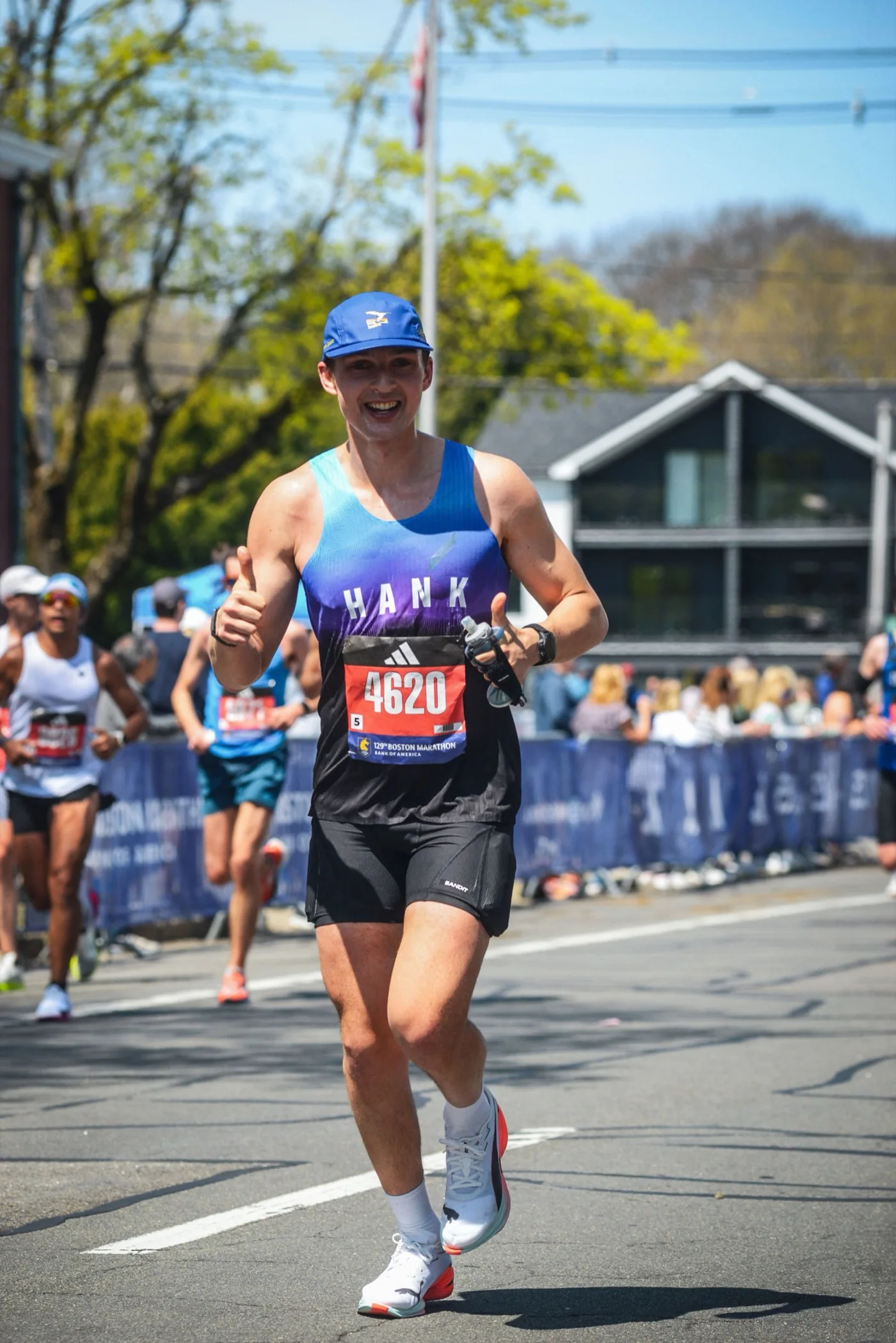
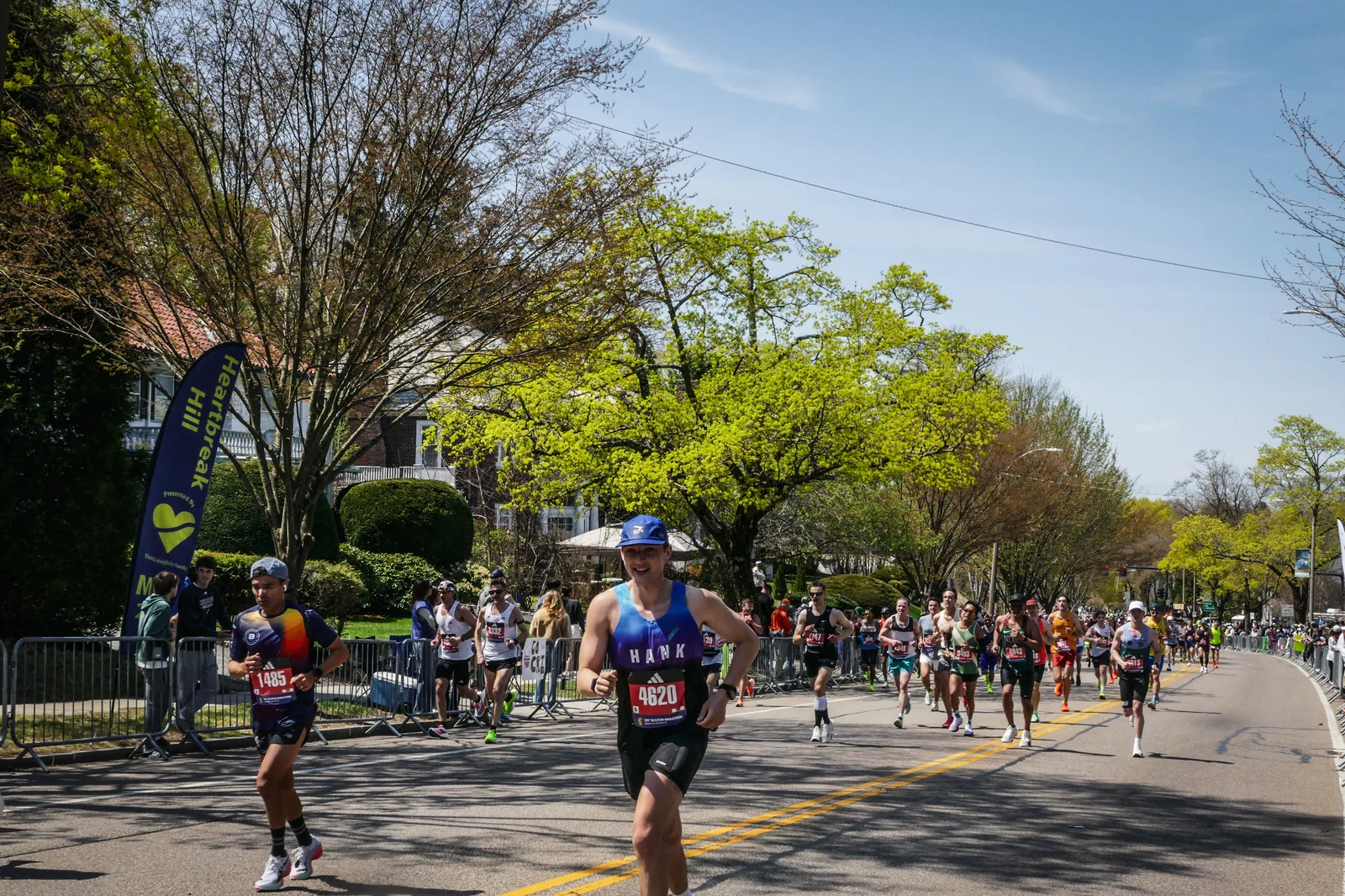
Hank McGreen racing the Boston Marathon

The running background behind the coaching.

I have run six marathons, with a 2:43 PR and four Boston qualifiers. I know what it feels like to build toward a serious marathon while still managing gym work, riding, work, travel, and normal life.

That matters because most runners do not need a louder plan. They need a coach who can see what is actually limiting the block and make the next step clear.

6
Marathons raced
2:43
Marathon PR
4x
Boston qualifier
Gym + bike
Built into the bigger training picture
Hank McGreen racing in autumn

How I coach.

The race drives the plan.

For marathoners training toward a goal race, the plan works backward from the day you need to execute. The key sessions, mileage, long runs, fueling, and taper all have to line up.

Bike work has a place.

I also use cycling when it helps the athlete. It can build aerobic fitness, add volume with less impact, and help runners stay more consistent over time. If you ride, it can be part of the bigger picture.

Easy days should stay easy.

Most runners make their easy days too hard. I keep them easy on purpose so you can absorb the hard work, recover well, and keep building consistently without breaking down.

Fueling matters.

Training only works if you can support it. I help athletes think through day-to-day fueling and race-day nutrition so the work you're putting in actually translates when it counts.

Communication stays simple.

You can text me or call me. Most communication happens over text, but I'm always available for a call when you want one.

Small roster, real attention.

I keep my roster intentionally small so I can coach each athlete well. If I can't give someone my full attention, I won't take them on.

What online coaching includes.

Weekly training plan in TrainingPeaks

Written for you each week based on how your training is going, not copied from a template or auto-generated. I review your data, adjust the load, and plan the week ahead.

Marathon block built around your race

Long runs, workouts, down weeks, tune-ups, taper, and race week all fit the goal. The plan is built around where you are now and what the race will actually ask.

Text access any time

I check in every Sunday to review your week and plan ahead. Between check-ins, I'm available every day. If something comes up, text me and I'll get back to you.

Fueling and race-day nutrition

I help you think through how to fuel your training day to day and how to execute your nutrition plan on race morning. This is part of coaching, not an add-on.

Race strategy and pacing plan

Before your race, you'll have a full plan. Pacing, taper, race-week schedule, and a clear picture of how to execute from start to finish.

Accountability that's built in

I check your training, follow up when something looks off, and keep the plan moving forward. You're not figuring this out alone.

Your first 14 days.

The first two weeks are about getting the plan pointed in the right direction, then adjusting it based on how your body actually responds.

01

I read the full picture.

Training history, recent mileage, goal race, schedule, injury pattern, gym work, riding, and what has been breaking down.

02

You get the first week.

The plan starts from where you are now. I clean up the obvious limiters first: pacing, long-run structure, recovery, and fueling.

03

We watch the response.

I look at how the work lands, not just whether it was completed. If something feels off, the plan changes before it becomes a bigger problem.

04

The block gets sharper.

By the second week, the training has a clearer rhythm: what matters most, what needs patience, and what we are building toward next.

What I look at before I write a plan.

Before I care about a workout, I care about the constraints. The goal, the schedule, the mileage, the injury history, the way easy days are actually being run. That is where most marathon blocks are won or lost.

Goal vs current fitness

A goal can be useful and still be too aggressive for the next block. I look at recent races, goal pace, timeline, and what the race will ask late when the legs are not fresh anymore.

Mileage and durability

The marathon punishes underbuilt volume. I want to know whether your current mileage can support the goal, and how much we can add without turning the block into an injury bet.

Easy pace and recovery

If easy days are only a little slower than goal pace, the plan usually has no real recovery. I would rather slow those days down and make the important work count.

Fueling

Low fuel can make a good plan look broken. I look at daily eating, long-run fueling, and whether you are supporting the training you want to absorb.

Injury pattern

I do not just ask what hurts. I look at when it started, what changed before it, and whether the progression fit your body and schedule.

Life constraints

Work, sleep, travel, kids, gym work, riding. The plan has to fit the week you actually live, not the week that looks clean on paper.

Coaching reads I make all the time.

If you want sub-3 but you are running 28 mpw, the first move is not harder workouts. It is building enough durable volume to make marathon pace less expensive.

If your easy pace is 30 seconds slower than goal marathon pace, you probably do not have easy days. You have medium days with a different name.

If every block ends with calf, shin, or knee pain, I want to look at progression first: how fast the load changed, where the workouts sat, and whether recovery was actually built in.

Get a first read on your own goal

Problems I can help untangle.

Most marathon problems look like fitness problems from the outside. Usually there is something more specific underneath.

The goal is right, but the runway is not.

The target may be possible, but not on the timeline you are trying to force. I help separate the bigger goal from the smartest goal for this block.

Easy days are not actually easy.

If most runs live in the same middle zone, the plan stops having recovery. The hard days suffer, the legs stay flat, and the block gets noisy.

The long runs keep falling apart.

Sometimes it is fitness. Often it is pacing, fueling, heat, route choice, or asking one run to prove too much too early.

The same pain keeps coming back.

Calf, shin, knee, hip. I look at what changed before it showed up: volume, intensity, hills, shoes, gym work, travel, and recovery.

The plan does not fit real life.

A perfect week on paper is useless if work, sleep, family, and travel keep breaking it. The plan has to survive the week you actually live.

Strength work is helping and hurting.

Gym work can build durability, but it can also steal from key sessions if it lands in the wrong place. The goal is to make it support the run block.

This works best when the fit is right.

Good coaching depends on honest feedback both ways. I want the plan to match the runner, the goal, and the week you are actually living.

Probably a good fit if:

  • You have a real race goal and want structure around it.
  • You want feedback, not just workouts on a calendar.
  • You are willing to run easy when easy is the right move.
  • You will tell me when fatigue, pain, travel, or life changes the plan.

Probably not the right fit if:

  • You only want a generic plan to follow on your own.
  • You want every week to be harder than the last.
  • You are not open to adjusting the goal or timeline.
  • You want coaching without checking in honestly.

From first application to first week.

No discovery calls. No sales pitch.

1

Fill out the application

Two minutes. Tell me who you are, what you're training for, and where you're at right now.

2

We connect over email

I'll reach out personally to learn more about your training and make sure we're a good fit for each other.

3

Online intake form

A detailed intake so I can understand your schedule, training history, goals, injury background, fueling, and the rest of the context that shapes the plan.

4

We get started

Your plan goes live in TrainingPeaks. Adjusted every week from day one.

Common questions.

If you're not sure, use the Marathon Goal Check. It gives you a quick read on whether your target fits your current fitness, mileage, and timeline. You can see the result on the page before deciding whether to send it over.

A plan doesn't adjust when your week falls apart or when your body isn't responding the way it should. Coaching means the plan changes with you, and you have someone to talk to when decisions need to be made.

That's fine. I coach runners at every level. Starting with a coach means building good habits early instead of spending a year figuring out what doesn't work.

Not at all. I came from the same background. I know how to build a running plan that works alongside a gym routine. I wrote more about that here: marathon coaching for strength athletes.

The main focus is marathon coaching. I also coach 5K, 10K, and half marathon runners when the goal is serious and the runner wants a structured plan with real feedback.

TrainingPeaks for training. Text for day-to-day communication.

I program runs. If you lift or cross-train, I'll factor that into how your running plan is built, but I don't prescribe those workouts directly.

Yes. I ride seriously myself and use Zwift regularly. For the right athlete, bike work is a real tool for building aerobic fitness and managing training load. If you ride, I'll work it into the plan.

No. All coaching is remote.

I keep the roster small so I can give each athlete real attention. When I'm full, I close applications.

There's a minimum commitment to start. After that, month to month. I'll share details when we connect.

I have run six marathons, with a 2:43 PR and four Boston qualifiers. I also ride seriously and use cycling as part of how I train and coach. I work with runners at every distance from 5K to marathon and at every level of experience.

Not sure if coaching is right? Run the Marathon Goal Check first. If you want the full block managed week to week, apply for coaching.

Ready to get started?

Apply here if you want the whole block managed week to week and you are open to at least three months of coaching. If you are not sure the goal fits, run the Marathon Goal Check first.

I read every application personally and only take on athletes I believe I can actually help.

What I need to see first.

The application is short on purpose. I am looking for the pieces that change the decision, not a life story.

  • Your goal compared with recent fitness, not just the time you want.
  • The current load: mileage, long runs, gym work, riding, sleep, and stress.
  • What changed recently, because that is often where the block starts to get noisy.
  • The thing that keeps breaking the block: injury, pacing, fueling, schedule, or recovery.